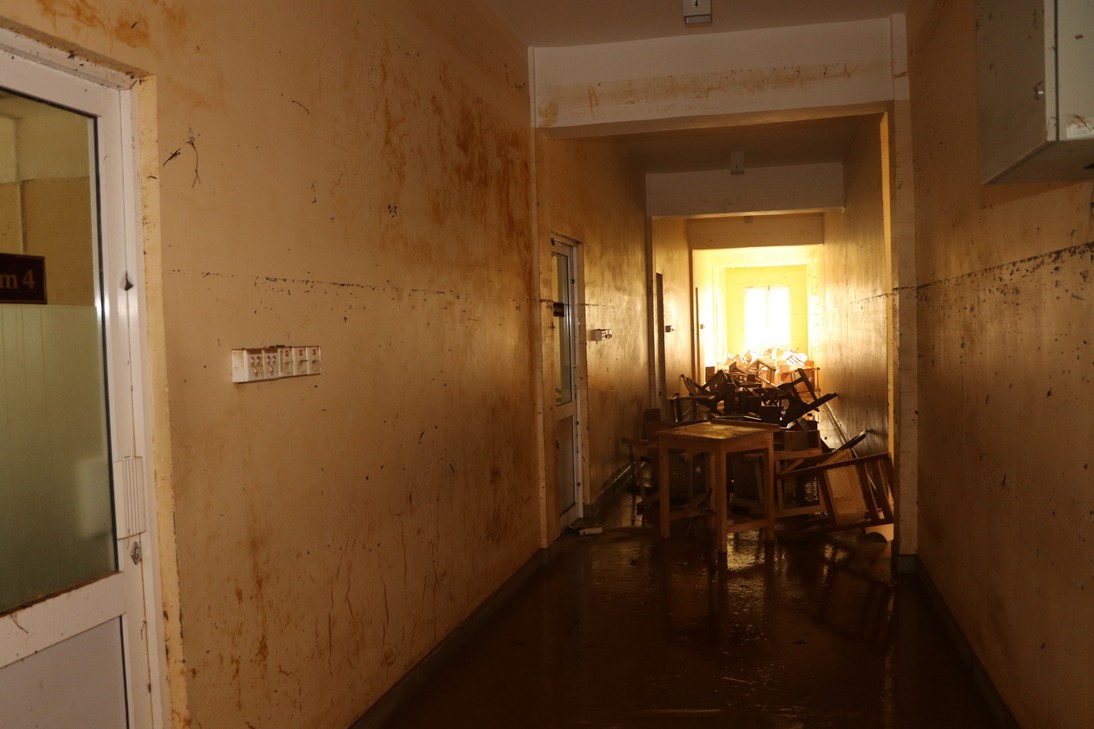
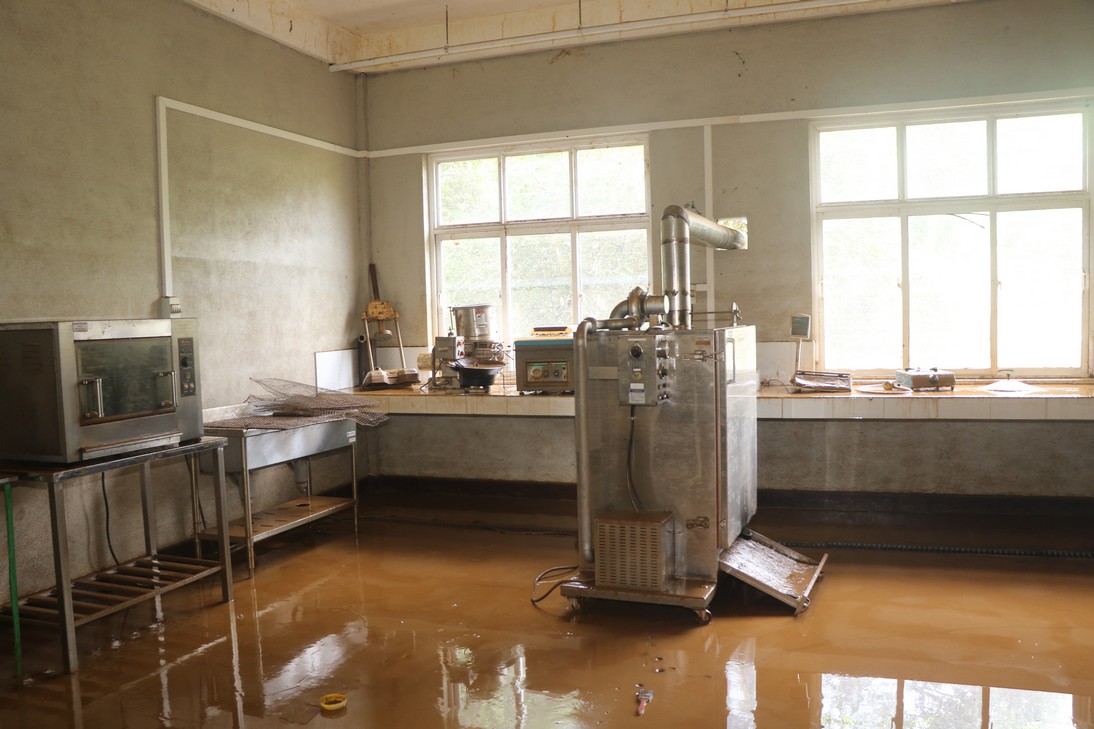
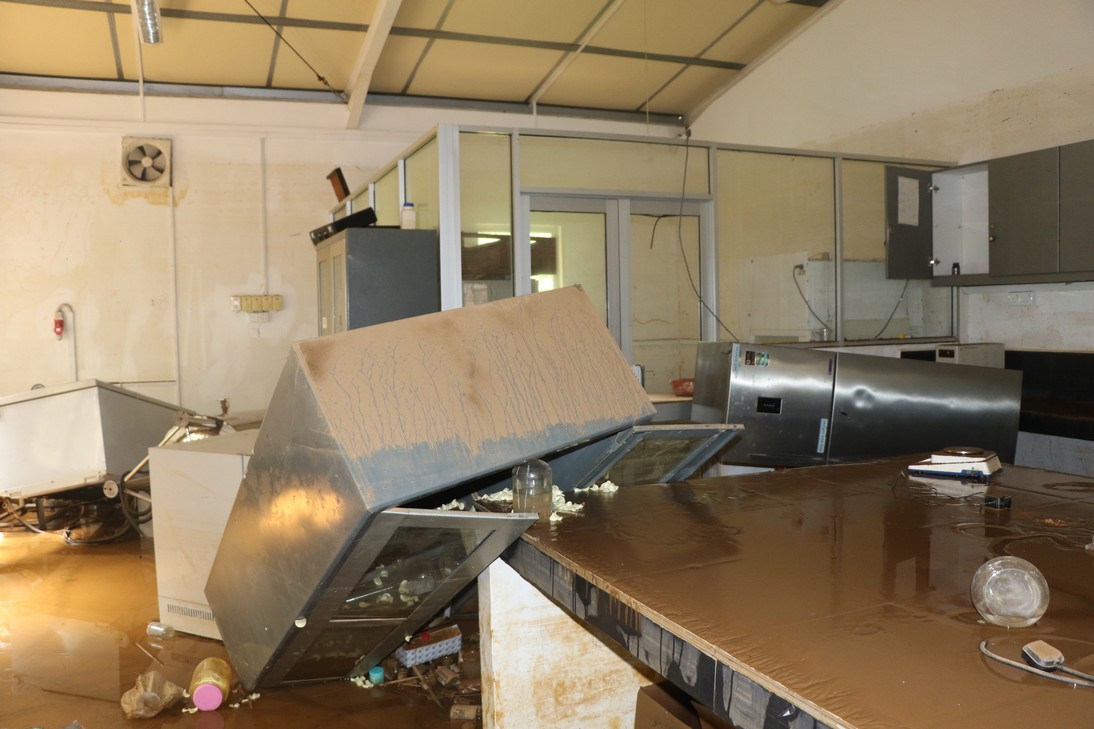
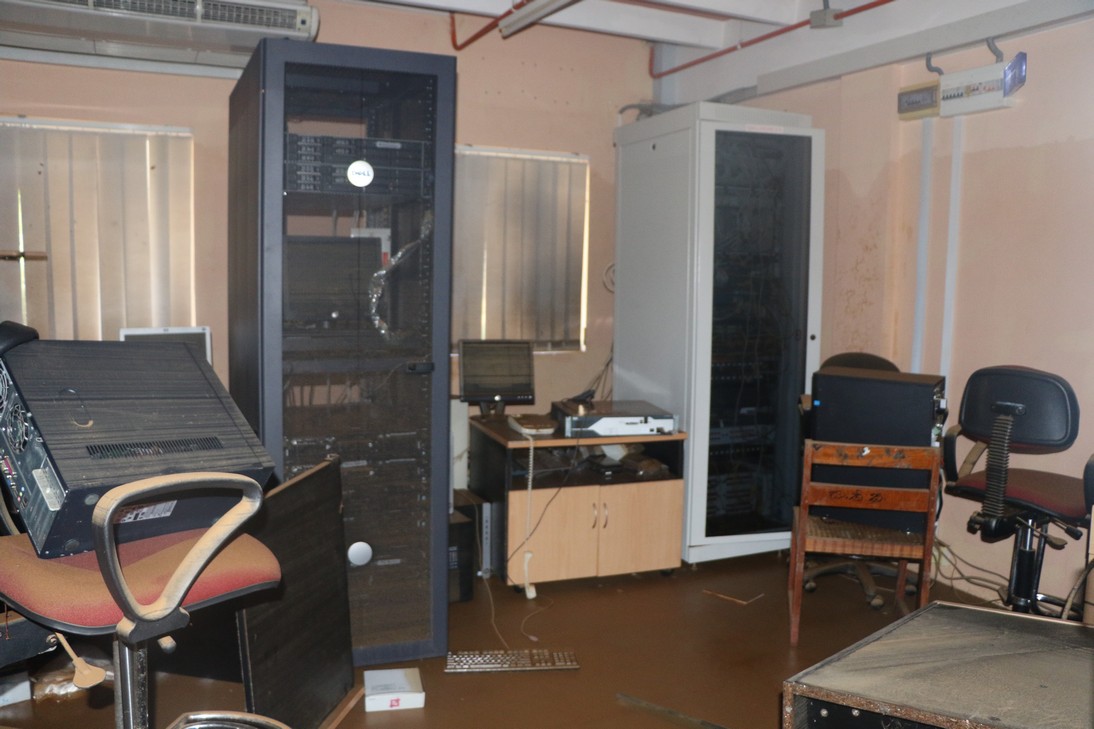
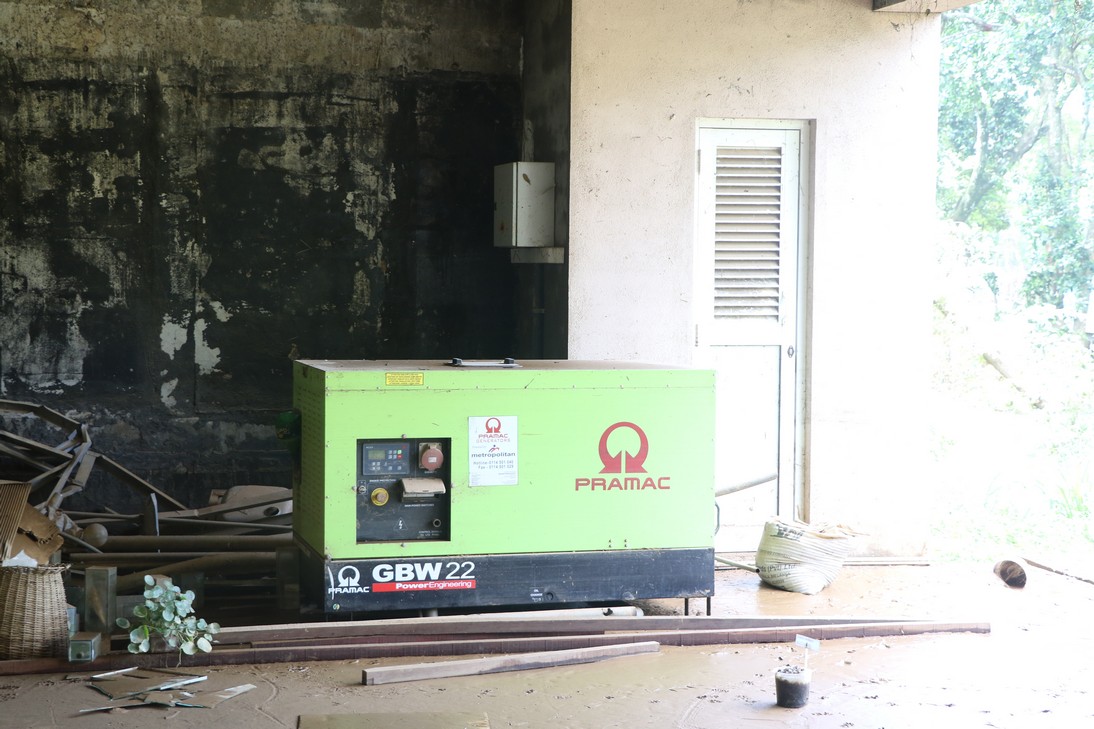
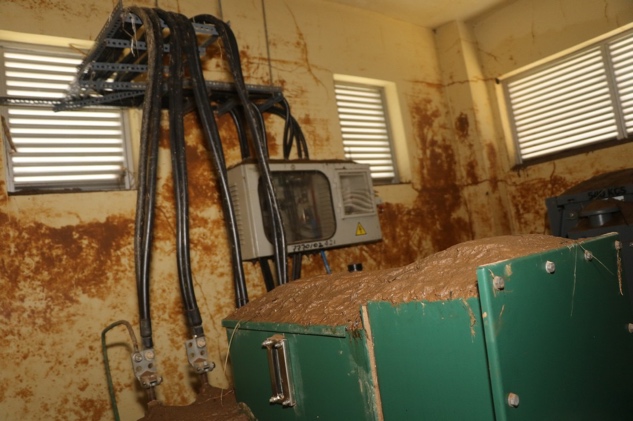
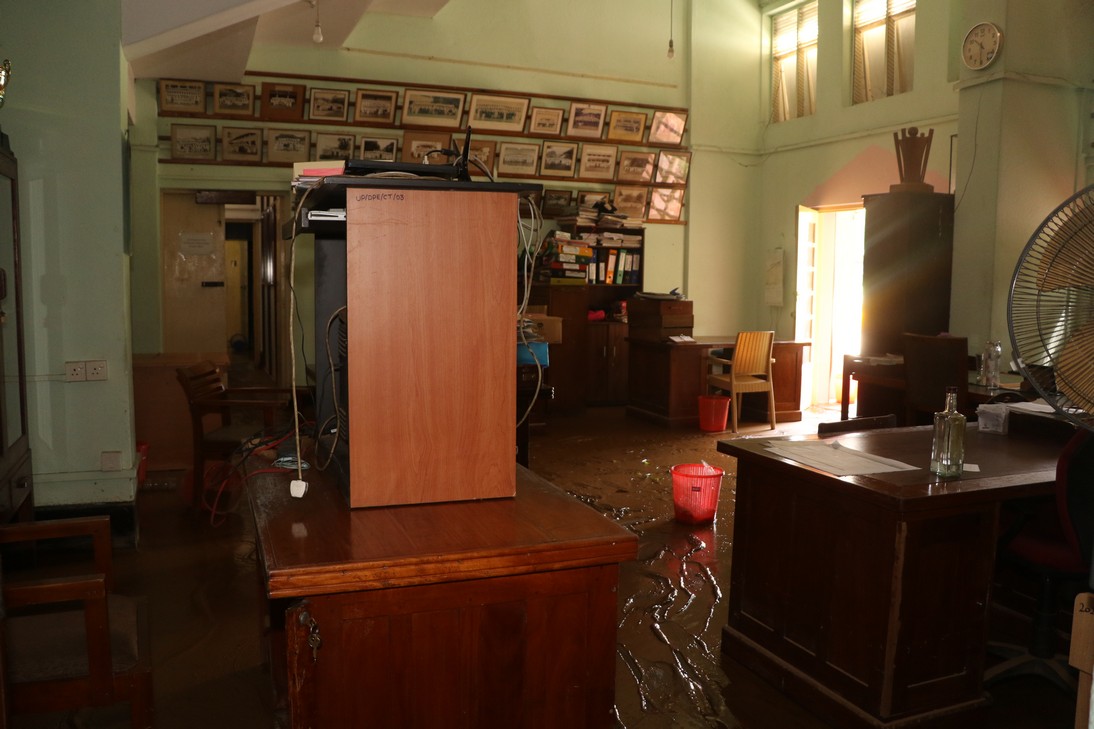
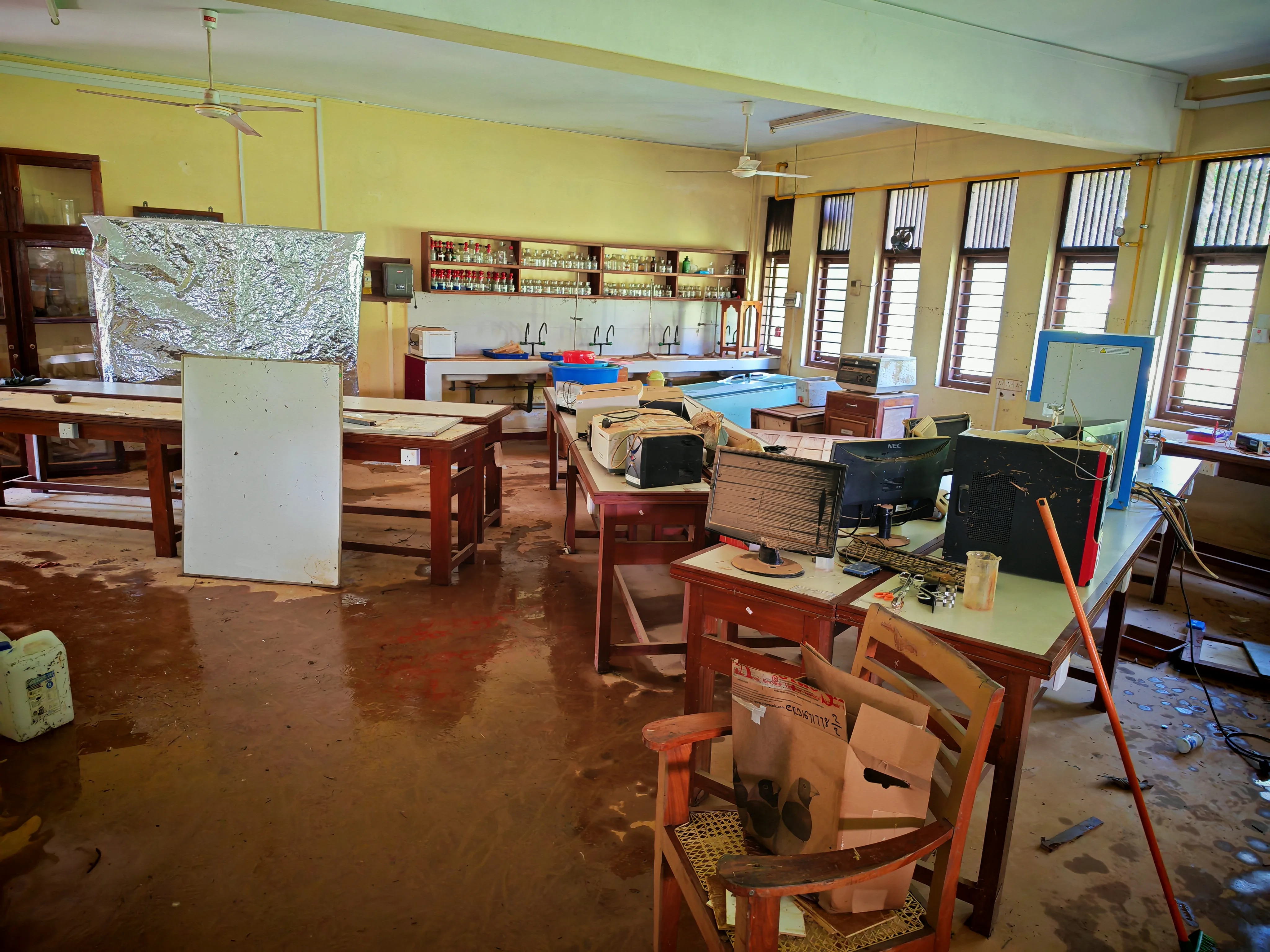
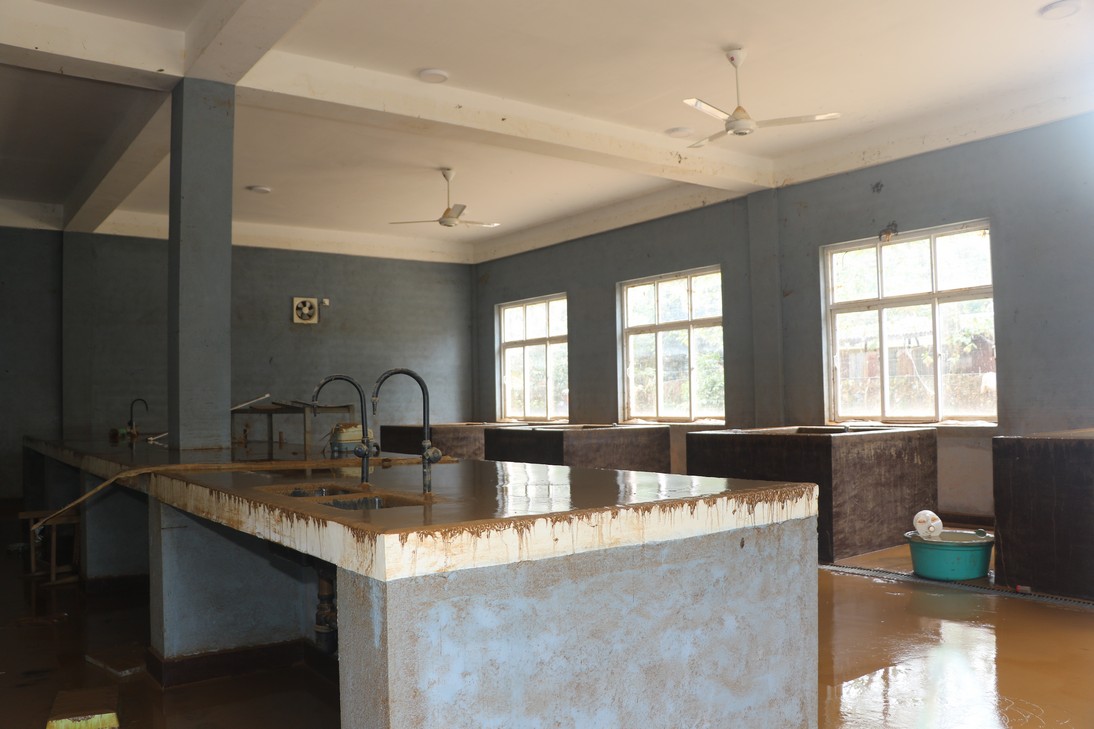
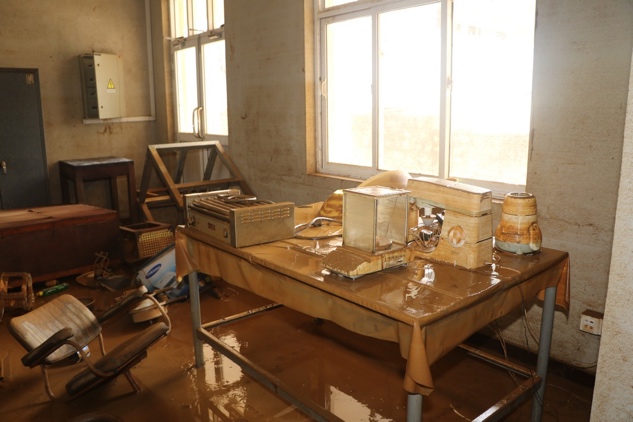
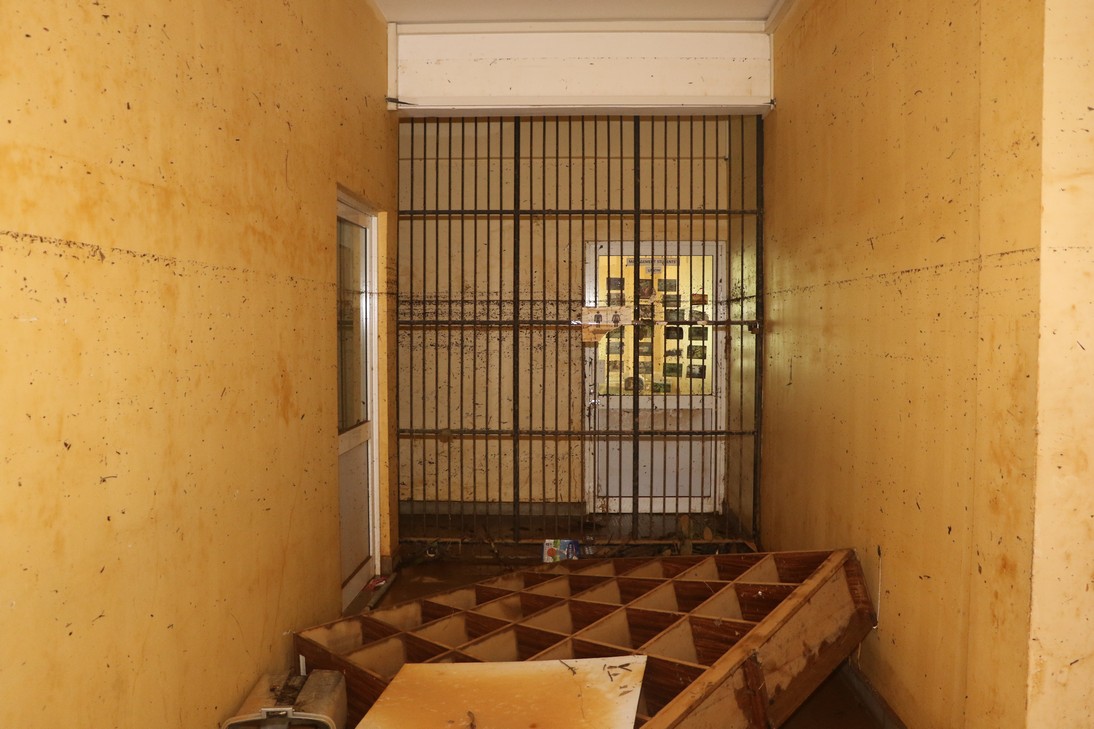
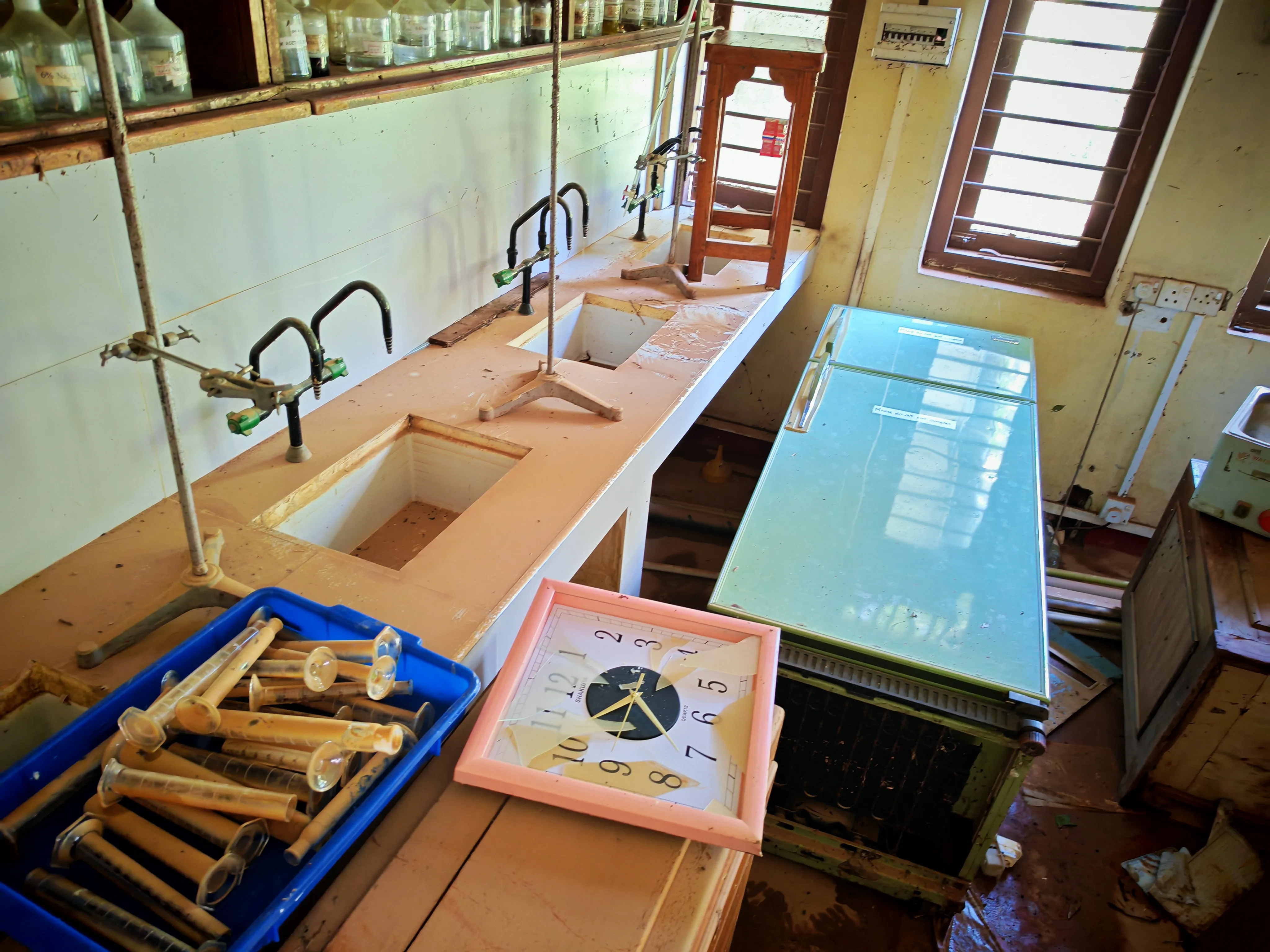
Cyclone Ditwah unleashed unprecedented devastation across the nation, with the University of Peradeniya bearing the brunt of the impact. On November 27-28, the Mahaweli River breached its banks, submerging vast sections of the campus. The floodwaters, which rose to nearly 16 feet in some areas, severely compromised the Faculties of Management, Veterinary Medicine & Animal Science, and Agriculture.
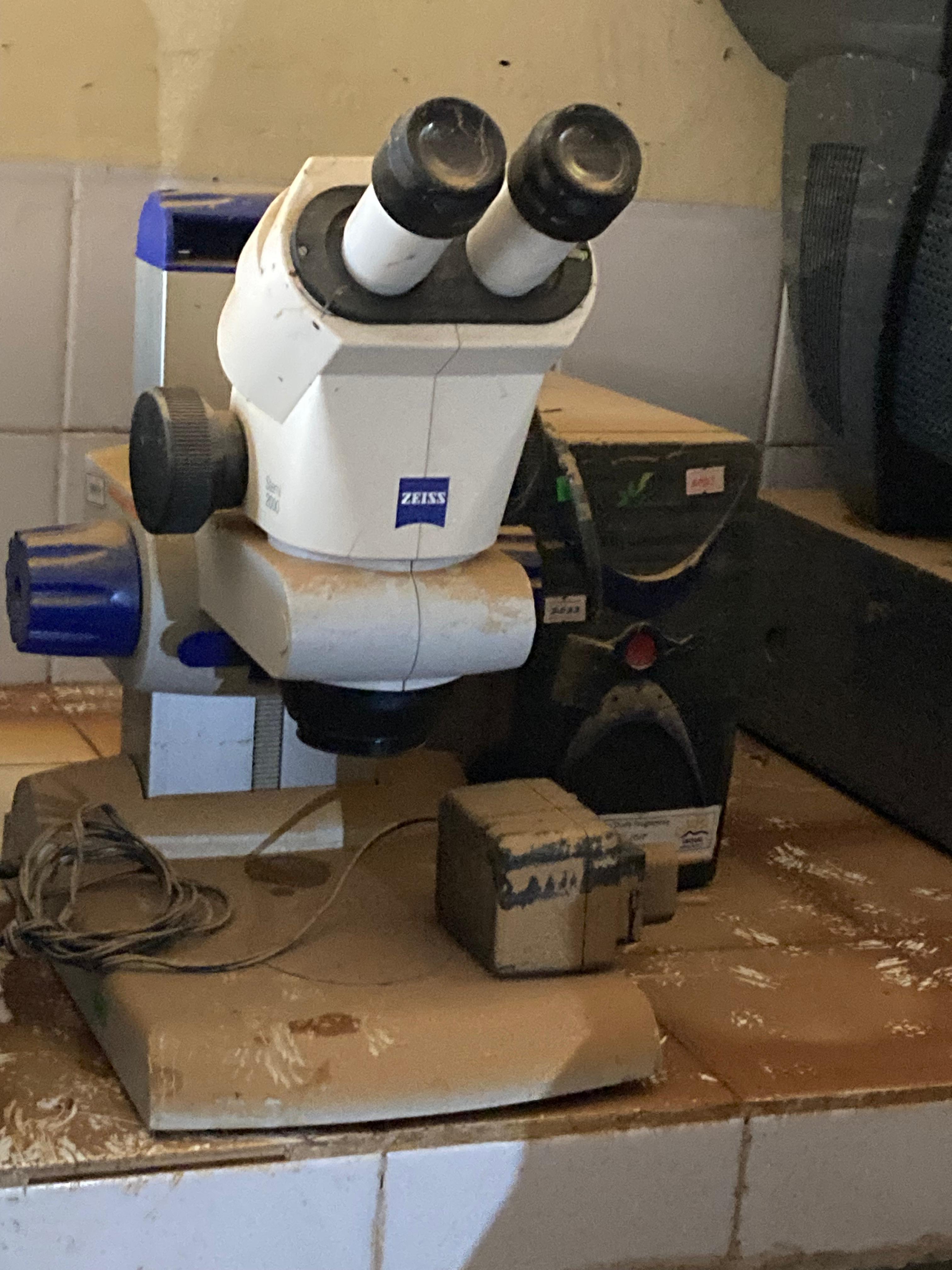
The destruction extended to critical infrastructure, including Hostels, Administrative Units, Sports Facilities, and Road Networks. Laboratories, Server Rooms, and Document Archives were also in the way of the distruction.
Preliminary assessments estimate direct losses at approximately Rs. 4 billion. However, the comprehensive cost for full recovery, accounting for necessary relocation, new construction, slope stabilization, and riverbank fortification could exceed this amount when these are included.
The University of Peradeniya serves the nation as a hub for 16,000 undergraduates and thousands of postgraduate students. Simply restoring the damaged structures in their original flood-prone locations would leave the institution vulnerable to future climate disasters.
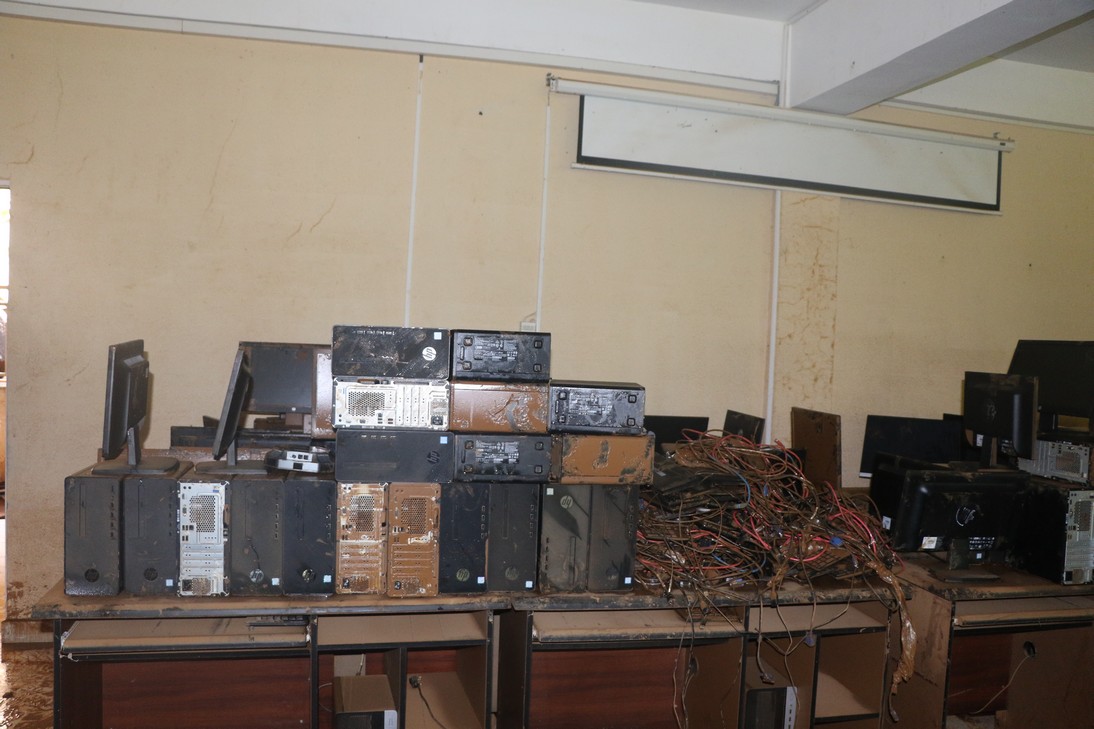
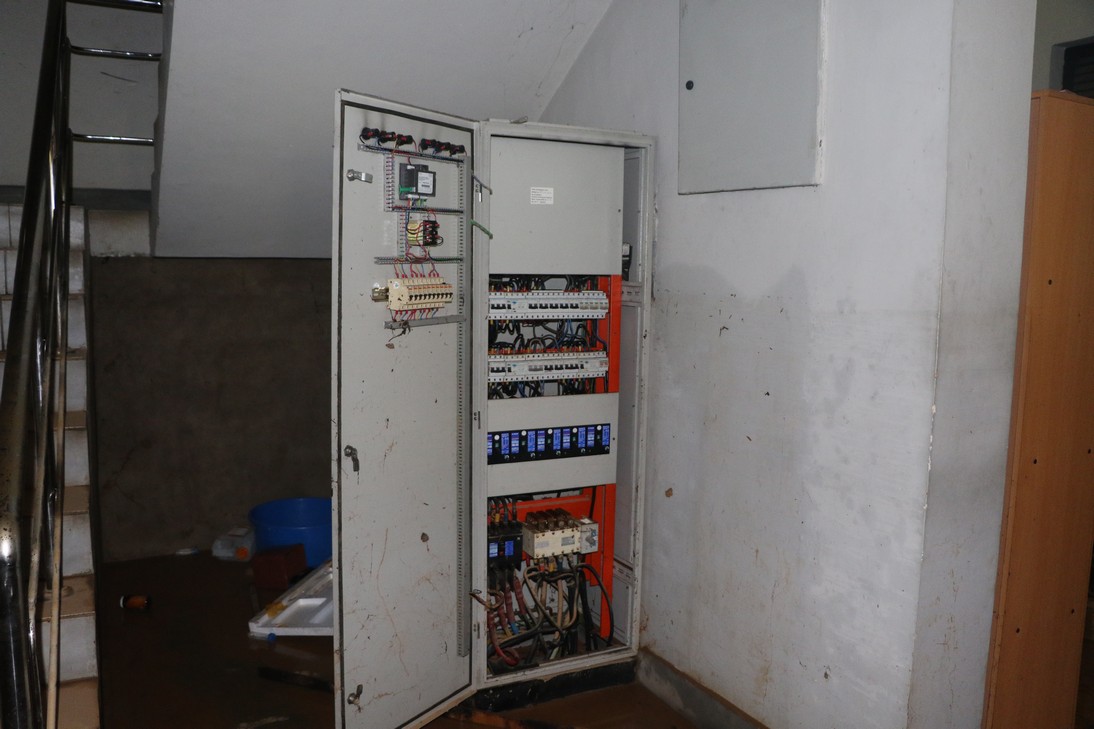
The Ditwah cyclone-induced flooding caused extensive damage across multiple faculties and common facilities of the University of Peradeniya. The Faculty of Management, Faculty of Veterinary Medicine and Animal Sciences, and the Faculty of Agriculture were among the most severely affected, with floodwaters damaging lecture halls, laboratories, libraries, auditoriums, cafeterias, recreational areas, and severely disrupting the electricity supply and internet connectivity.
Several retaining walls failed or were critically weakened, increasing the risk of further slope instability and structural damage. Major common university facilities sustained significant damage, including the University Gymnasium, a key venue for sports activities as well as official events such as graduation ceremonies, the swimming pool, and the main university grounds.
Residential infrastructure was also heavily impacted, particularly Sarasavi Medura and Seneka Bibile Halls which together provide accommodation for over 1,300 undergraduate students, resulting in displacement and disruption to student life. Culturally significant landmarks such as the Prof. Ediriweera Sarachchandra Open Air Theatre and essential early childhood facilities including the University Pre-School/Day Care Centre were also damaged.
Of particular concern was the severe impact on the Veterinary Teaching Hospital, "the only Veterinary Teaching Hospital in Sri Lanka", significantly disrupting veterinary education, clinical training, and essential animal healthcare services at the national level.
Construction of gabion retaining structures in identified high-risk areas to control erosion, stabilize riverbanks, and prevent further slope failures.
Implementation of slope stabilization techniques based on geotechnical assessments, including drainage improvements, reinforcement, and bioengineering solutions.
Procurement and installation of essential laboratory, teaching, and service equipment damaged beyond repair by flooding.
Relocation of critical facilities such as the University Daycare Centre and the University Works Department from flood- and landslide-prone zones to safer locations within the campus.
Restoration and upgrading of damaged transformers and associated electrical systems to ensure uninterrupted and safe power supply.
Installation of a campus-wide siren and alert system for the Security office, designed to function during power failures, to enhance emergency communication and evacuation readiness.
Restored and disaster-resilient infrastructure across the university campus, with strengthened buildings and systems designed to withstand future climate-related disasters.
Reduced risk of future flood- and landslide-related damage through long-term mitigation measures including slope stabilization and improved drainage systems.
Improved safety for students, staff, and on-campus service users through safer learning and working environments across the entire campus.
Strengthened emergency preparedness and early warning capacity with improved alert systems and response protocols to ensure readiness during emergencies.
Increased public awareness of the role of higher education institutions in disaster risk reduction and climate resilience building.